
Could Poop Pills help People Tolerate more Peanut?
August 5, 2026 - What does it take to move an unconventional scientific idea from the laboratory into people? Often, it takes someone willing to fund the research before the evidence is obvious.
Food Allergy Research Is Entering a New Era
May 7, 2026 - For the first time, every therapeutic company presenting at the Food Allergy Fund Summit is now in human clinical trials.
This marks a major inflection point for food allergy research.
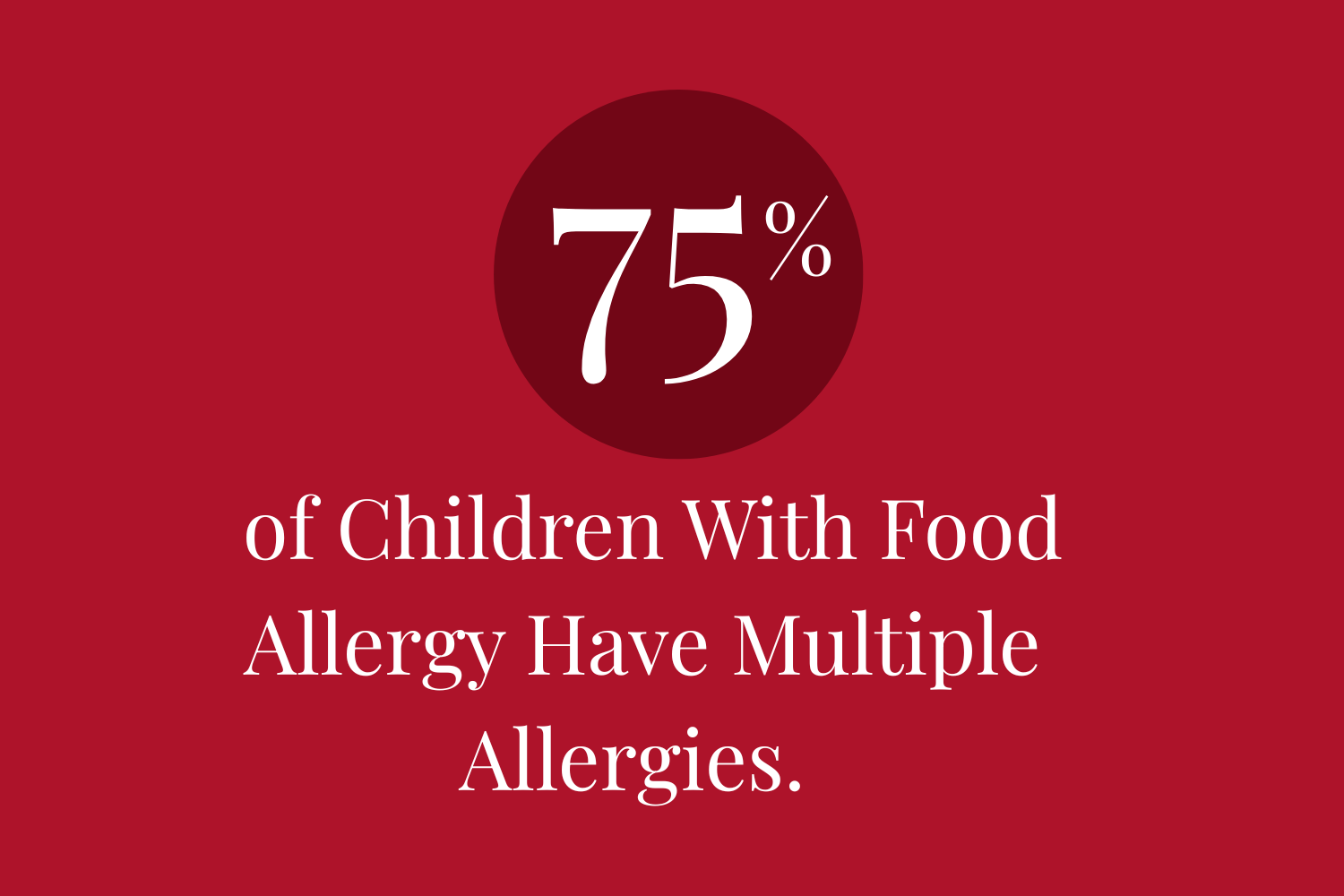
75% of Children With Food Allergy Have Multiple Allergies. That Changes Everything.
March 19, 2026 - New data presented at this year's American Academy of Allergy, Asthma & Immunology - AAAAI Annual Meeting delivers a wake-up call for anyone working in food allergy.
75.5% of children with food allergy had multiple current food allergies.
Food allergy is not caused by a single trigger. It’s the result of a “perfect storm.”
February 13, 2026 - A landmark new study from McMaster University—spanning 2.8 million children and 190 studies worldwide—confirms what many of us in the food allergy community have long understood.
Philanthropy works best when it backs bold ideas early.
February 11, 2026 - The Food Allergy Fund was the earliest supporter of David A. Hill, MD, PhD and The Hill Lab’s work on eosinophilic esophagitis at Children's Hospital of Philadelphia and University of Pennsylvania School of Medicine.
The FDA is signaling a shift in its 2026 agenda
January 31, 2026 - With plans to review harmful additives, expand front-of-package and online labeling, strengthen infant food standards, and improve formula access, the FDA is signaling a shift toward prevention and transparency in its 2026 agenda.

NIAID’s new research vision reflects an important shift: immune health is finally being recognized as foundational to human health.
January 27, 2026 - For decades, allergic and autoimmune diseases were often treated as secondary priorities in federal research agendas. Now, theNational Institute of Allergy and Infectious Diseases (NIAID) is elevating immunology—alongside infectious diseases—as a core pillar for improving health outcomes. The National Institutes of Health Director Jay Bhattacharya and NIAID Acting Director Dr. Jeffery Taubenberger shared this vision at the FAF Leadership Forum event in Washington, DC, and now this shows the continuing prioritization.

Food Allergy Biotech: What Recent Moves Signal for Patients and the Field
January 21, 2026 - This week, GSK announced its acquisition of RAPT Therapeutics—a move that has prompted renewed conversation about whether food allergy and anaphylaxis prevention are finally gaining sustained traction in pharma.