Engineering Beneficial Gut Bacteria to Restore Tolerance and Treat Food Allergy
Funded by Food Allergy Fund

Dr. Chrysothemis Brown and Dr. Carlotta Ronda as Principal Investigators
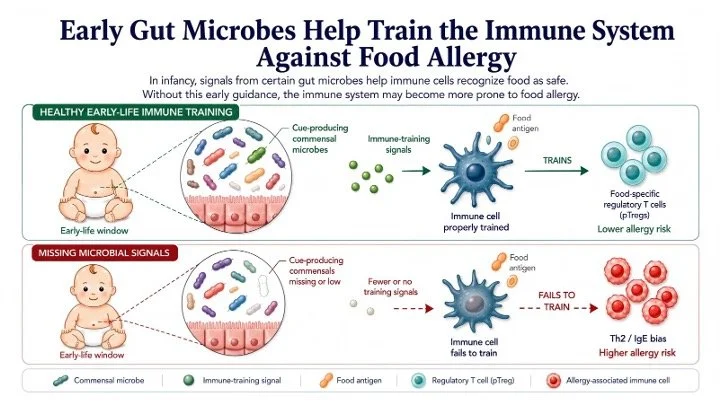
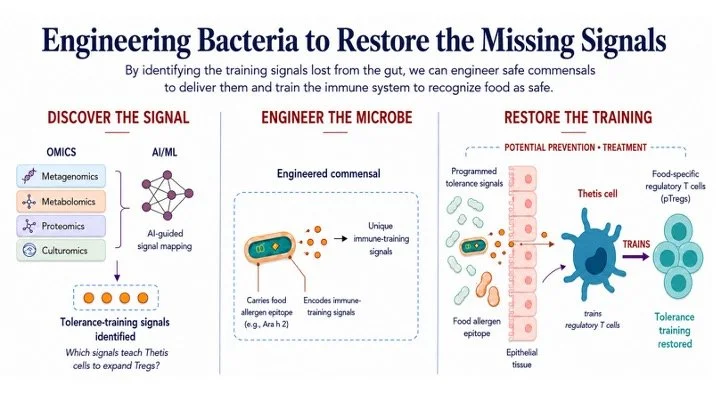
Food allergy affects millions of people worldwide, yet there are no cures, only avoidance and emergency treatment. Our research focuses on understanding why some children develop lasting tolerance to foods while others become allergic. The Brown Lab recently discovered Thetis cells, a type of immune cell that plays a key role early in life in teaching the immune system not to overreact to harmless substances like food. Building on this discovery, the Ronda and Brown laboratories aim to identify signals from beneficial gut microbes that guide these cells toward promoting tolerance rather than allergy. By integrating single-cell profiling of immune cells with computational analyses of the microbiota, the team will build a detailed map of how specific microbes and their molecular products shape immune responses during this critical developmental window.
In parallel, the project advances a new therapeutic approach. The Ronda Lab turns gut bacteria into programmable living medicines, engineering safe, clinically relevant strains to deliver tolerance-promoting signals directly to Thetis cells. These engineered microbes will be tested in mouse models of food allergy to assess their ability to prevent or reverse disease. Together, this work aims to open a new path toward microbiome-based therapies that are safer, longer-lasting, and more aligned with how the body naturally develops immune tolerance.